

Not Everything is an IPA
The Latvian beer landscape underwent a transformative shift around 2013, signaling the onset of the “craft beer revolution.” While small-scale breweries had operated in Latvia for decades, this era marked a decisive move away from traditional pale and dark lagers toward more assertive styles—most notably India Pale Ale ( IPA ).
Independent craft brewers and industrial imitators alike saturated this new style, prominently displaying the letters IPA on every bottle. For the large-scale macro-breweries, “IPA” became a strategic buzzword used to ride the craft beer wave. Consequently, in the mind of the average beer consumer, the term IPA has become synonymous with any beer featuring a bold flavor profile, a small bottle format, and a premium price point.
IPA is probably the most popular style of craft beer in the world. It is often the first beer released by a new brewery and the first sip with which a budding beer enthusiast explores the world of craft beer.
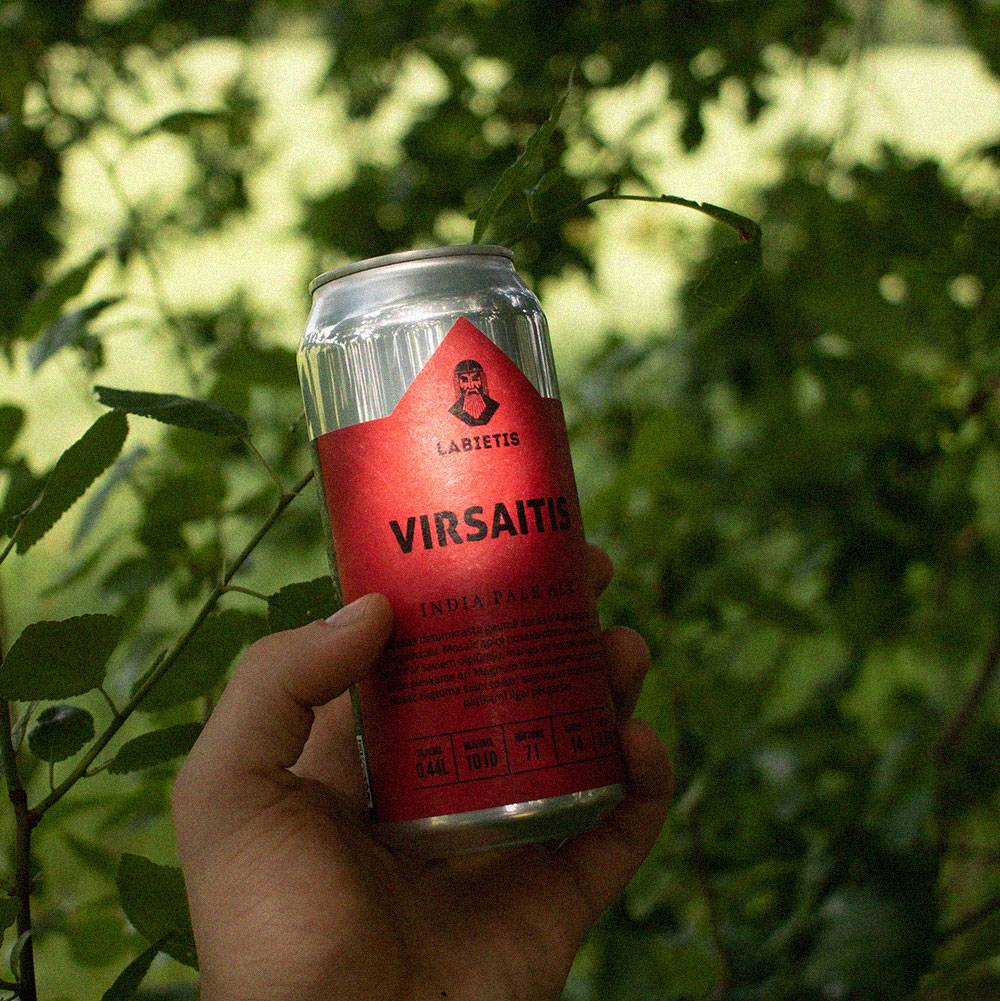
India Pale Ales (and Pale Ales in general) are an excellent starting point for discovering beer: they offer a familiar pale, amber color and a light body, followed by an unexpected, vibrant hop flavor. I would even go so far as to say that the Pale Ale “species” was the Latvian beer drinker’s first true encounter with hops—specifically their bitter taste and resinous aroma. After experiencing an IPA, lagers that previously seemed bitter suddenly taste sweet and malty. That first sip of IPA is crucial in developing one’s palate; it clarifies the boundary between sweet and bitter, and as this flavor spectrum expands, it allows for a far more nuanced enjoyment of beer.
First Came the Coke!
IPA stands for India Pale Ale. By logic, if there is an India Pale Ale, there must be a non-Indian version. The Pale Ale style originated in England in the mid-17th century as a result of technological progress.
Before this, malt was dried over wood fires. Unstable temperatures and smoke resulted in dark malts with roasty, smoky flavors. The invention of coke (a high-carbon fuel derived from coal) allowed brewers to create pale malt without smoke. Thus, the Pale Ale was born—an amber ale with a bold hop character no longer masked by smoke and roast.
From the first day of their creation, the pale aisles began to take on new shapes and forms. The style quickly gained popularity and soon every British brewer was brewing this pale and bitter beer. But it turns out that geography – the water used – plays a key role in the taste of pale ales.
The most famous pale ale was brewed in Burton, where the local water is naturally harder (than in London, for example). The hardness of the water affects the way the bitterness of the hops opens up in the beer, so the water created the variety of flavours in pale ales. !NB: Pale ale used to be called bitter by English enthusiasts. It is still unclear where pale ale ends and bitter begins – as with porters and stouts. Rumour has it that the difference is in the serving – from the barrel (bitter) or from the bottle (pale ale).
What Does India Have to Do With It?
The “India” in the name is a legacy of British colonialism. British soldiers in India could not brew their own beer in the heat and grew tired of local alternatives. The solution was to import beer from England. To survive the long ocean voyage, brewers made the beer stronger and added extra hops; both alcohol and hops act as natural preservatives. This created a new style defined by high alcohol content and a massive bouquet of hop flavors. Today, India pale ales have a surprising number of variations, which we will briefly try to outline.
IPA (India Pale Ale) – a pale beer with a dry body (high attenuation leaves little residual sugar, resulting in a low-density, light mouthfeel with no sweetness). The flavor profile is hop-forward, characterized by distinct bitterness and resinous aromas.
English IPA – A dry, amber-colored ale historically brewed with wood-kilned malt to endure the long voyage to the colonies. It is a well-balanced style that leans hop-forward while retaining a solid malt profile. American West Coast IPA – Arguably the most widespread iteration of the style. An intensely bitter and aggressively hopped beer favored by “hopheads.” Situated closer to the major U.S. hop fields, West Coast breweries do not hesitate to push the hop character to its limits. Hops are added even during active fermentation—a technique known as dry hopping—which unlocks massive aroma without contributing additional bitterness. A pivotal role was also played by the hop varieties bred in the 1970s that featured high levels of beta acids (alpha acids impart bitterness, while beta acids contribute to the aroma profile).
The main measure of style is aroma and IBUs (International Bitterness Units) – the higher the number, the creamier the IPA. If a glass of beer becomes an endurance test, it’s probably a West Coast -style IPA.
American “East Coast” IPA – Cousin of the English IPA. A light, bitter beer that carefully balances hops with malt. If the beer seems bitter and you start to taste bread or caramel in the half glass, it’s probably an East Coast IPA.
Dark Indian Light Eagle or Cascade Dark Eagle (Cascadian Dark Ale) – Despite the illogical name, this is a distinct style of beer that belonged in the IPA category because of its distinct hoppiness. It is a dark beer with a base of roasted and caramelised malts and an uncharacteristic amount of hops – the illegitimate child of porter and West Coast IPA.
Imperial Indian Pale Ale ( Imperial IPA) – also known as IIPA, DIPA and Double IPA. A particularly strong type of IPA, darker in colour, denser in body and with a higher alcohol content masked by a higher hop bitterness (higher IBU number).
Milkshake IPA – a modern take on the IPA, which tastes like a fruity milkshake. Lactose and fruit are added during the boiling process. Lactose is a non-fermentable sugar of milk origin which gives IPA a fuller, milder mouthfeel. Lactose hides the bitterness but leaves the aroma. As a result, an ‘exaggerated’ amount of hops can be added – as with sugar and a slice of lemon. Combined with fruit, this style stands out for its fruitiness and leaves the bitterness in the background. This type of IPA will appeal perfectly to people who normally shy away from bitter beers, missing the hop flavour and aroma.
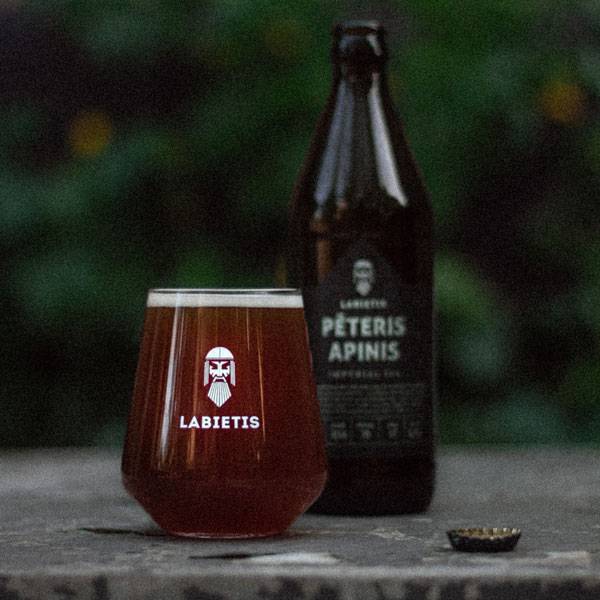
NEIPA (New England IPA) – a new type of IPA , not yet bureaucratically accepted as a style, but widely brewed. A hoppy beer with a distinctly cloudy body. This cloudiness can be achieved by manipulating ingredients – yeast that does not settle for long, wheat malt or oats that create a cloudy body or a dilute amount of hops added during fermentation (‘dry hopping’).These hops do not particularly increase the bitterness but leave a distinct hop aroma. The style itself is not particularly bitter as a result and is characterised by an exotic, resinous hop flavour and aroma.
Juicy IPA – this style is still disputed by scientists whether it is a synonym for NEIPA, maybe Milkshake or a separate recipe. Similarly aromatic and fruity as NEIPA, but not necessarily cloudy. The flavour focus is on the fruity hop notes, which give the impression of juicy fruit. Lactose is also added to this style to increase the aroma and flavour, without any additional bitterness. If the fruitiness is lacking, the more adventurous brewers add a splash of fruit or berries.
Session IPA – A term for a low-alcohol IPA for longer tasting sessions. The low alcohol content often implies a moderate bitterness.
Belgian IPA – a beer hopped with Belgian yeast and containing an unusually high amount of hops for the style.
Wheat IPA (WIPA) – a heavily hopped wheat beer. Usually a hopped version of Belgian Wit, with overseas spices in the style.
Brut IPA – A modern IPA to which amylase has been added. Amylase (amyloglucidase) is a special enzyme used by brewers to make thick stouts drinkable rather than spoonable. This enzyme breaks down the complex sugars that normally remain in the beer after fermentation. The yeast is capable of producing more sugar and the beer is drier ( less sweet, less dense) as a result. 2017. In 2009, a San Francisco brewer decided to add the same enzyme to IPA. Brut IPA is a very dry but aromatic and bitter beer, reminiscent of brut champagne in body. There are bound to be other variations of IPA – people like hops and the creativity of brewers is endless. An IPA is an island of safety when friends have dragged a hipster into a beer bar. It’s something you can always order and feel like you fit into the modern beer world. But sending an IPA should not be an end in itself – it’s not one constant beer, every pub, every brewer creates their own IPA, playing with hops or style as such. The beer world is wild, there are no rules and only recommendations.