

The History of Berliner Weisse
...or how the trickster Cord Broyhan stole a Fleming's recipe
It is not known exactly where and when the first Berliner Weisse was brewed (those who know are either keeping quiet or are dead), but rumors have it that the very first of this unusually refreshing sour ale was brewed by an unnamed brewer in Hamburg. “In Hamburg?!” you might ask indignantly, “Doesn’t the name itself imply that the beer originated in Berlin?” Well, this is the perfect moment to tell you about a hardened rogue.
Cord Broyhan: A German Renaissance Man
The Hanoverian Cord Broyhan didn’t know what he wanted to do. Having finished his education, Cord decided he was too young and lively to just stay put. So, much like the fairytale character Sprīdītis, he set out into the world to write travel memoirs. The first (and last) stop on this journey was Hamburg. During Cord’s visit, the German Renaissance had reached its peak, a breath of a new era was in the air, and Hamburg could safely be called the local hipster capital. Every pub and tavern was bustling with dandies and intellectuals. The invention of the printing press (in the previous century) fostered a generation of educated, literate youths. Everyone considered themselves a writer, a poet, a philosopher, and a scientist—and this was the company Cord Broyhan kept.
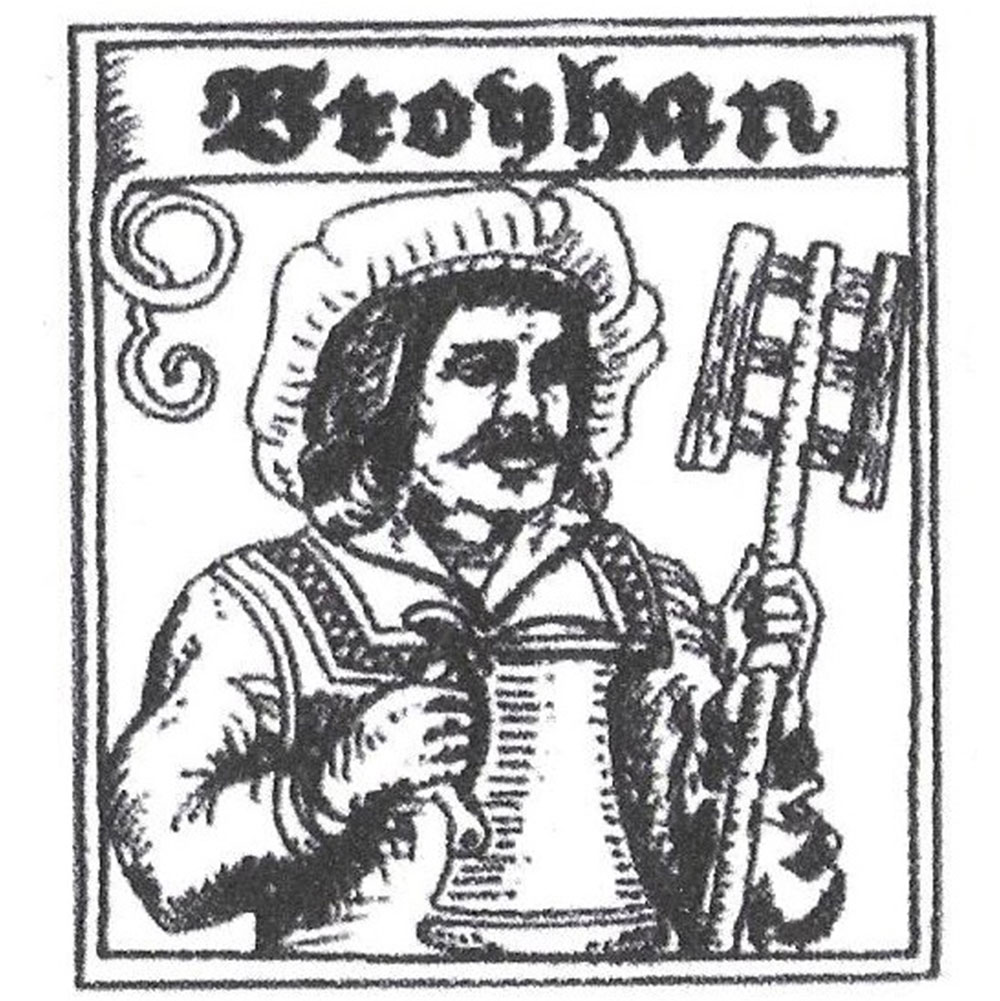
The Fateful Tavern
Every Wednesday and Friday, Cord’s circle of acquaintances, in a proto-bohemian spirit, went in search of new, trendy taverns. For Cord, these were his favorite days of the week. Days when he felt useful and motivated. He might not have had much to say about Martin Luther’s bestseller, the New Testament, but Cord knew his craft beer! On one of these Wednesdays, Cord found himself in a tavern in a rundown corner of Hamburg. Cord no longer heard the conversations about the German Reformation. It’s quite possible he couldn’t even see anymore. The only senses that took over Cord’s existence were smell and taste.
(Herbal berry berliner on the left Atblāzma.)
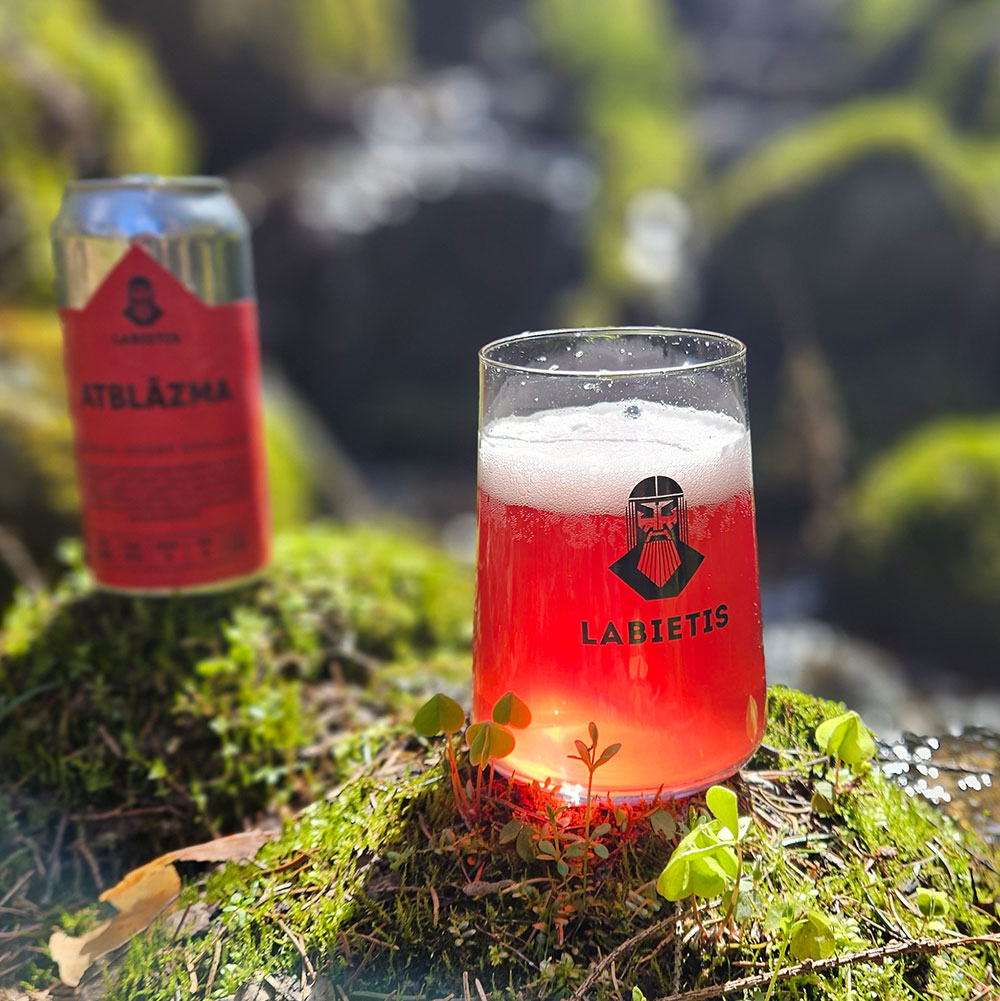
“Sour, crisp, slightly fruity, and… Really? Salty!” Is this even beer? Until recently, Cord fervently supported the Reinheitsgebot (German Beer Purity Law), and now? Now some hazy wheat beer changed everything. Cord no longer went for walks with his friends; he also stopped writing his memoirs – “Where to Find the Tastiest Schnitzel” and “5 Tips for the Perfect Frikadelle”. Now, Cord only drank the unusual beer and hovered around the brewery doors, hoping to have a word with the creator of this strange brew.
A Reclusive Pseudo-Hamburgian
The owner of the brewery was an unnamed brewer, whom, for convenience’s sake, we will christen Semir. Semir was a quiet and lonely man. Semir himself claimed to be from Düsseldorf, but no self-respecting German believed him. On the rare occasions Semir engaged in conversation, his accent hinted at Flemish origins; other times, after a few drinks, it leaned French. Rumors could have circulated that the creator of the sour beer traveled to Germany with the Huguenots—French Protestants fleeing for religious freedom. But who would gossip about a sour beer brewer in a poor district of Hamburg when noble Renaissance ideas were in vogue?

Even in his old age, this man stubbornly lugged sacks of malt and kegs, independently running his small brewery. But one day, luck smiled on Cord; the old brewer tripped and sprained his ankle while carrying wheat destined for the beer. This was Cord’s chance to win his trust. The chubby dandy diligently hauled the sacks—his fashionable going-out coat was soon covered in dust, and sweat broke out on his intellectual forehead. Cord spent a whole brew day next to old Semir, working in silence (Cord had many questions, but the discomfort of the physical labor and his shortness of breath suppressed them).
And so, sack by sack, brew by brew, Cord became the brewer’s apprentice. Semir never officially announced it, but the old man didn’t chase Cord away either. Cord wasn’t allowed into the fermentation cellar or the brewhouse, participating in the process only by carrying heavy loads. But one day, old Semir left the brewery doors open.
Look to nature - hops are just one of many medicinal herbs.
We are lucky to have grown up in Latvia, where every five-year-old has already taken their first steps in phytotherapy, and every adult has hand-picked herbal teas in their kitchen. Likewise, our forests and meadows are pristine and abundant enough that all of this can still be experienced for real. Hops are just one of over 20 medicinal herbs we use daily to brew our beers.
Return to Latvian nature with our beers!
The Secret of the Sour Beer
Cord saw everything with his own eyes. His initial reaction was horror, followed by denial, then horror again, then finally composing himself so as not to run to the food and veterinary service. No one but Cord and Semir knows exactly how the beer souring process took place. Based on modern methods, Semir could have had two ways to sour the beer (both equally horrifying to a precise German mind):
- Kettle Souring: The old man didn’t boil the wort; he mashed in half wheat malt and half barley malt, and simply left it. The cooling wort (the sweet, malt-extracted liquid) soon attracted various bacteria, including the lactic acid bacteria (Lactobacillus) highly desired for a Berliner Weisse. It is possible that the already-soured wort was then boiled with hops, or the hops were added as a separate decoction (a traditional homebrew method).
- Mixed Culture (Yeast Friends): Old Semir had preserved a special blend of brewer’s yeast and lactic acid bacteria, which, brought over from Flanders, the brewer used and maintained to ferment his sour beer. This bacterial cocktail could also just grow naturally in the brewery’s fermentation vessels.
Halberstädter Broyhan
The following events remain shrouded in mist. Soon after the discovery of the recipe, old Semir passed away. Some say Semir loved Cord like a son, leaving the tavern and brewery in the young German’s care. Others reckon the jolly Broyhan was cunning—knocking off the old Fleming and buying the brewery for pennies, right before the neighborhood’s gentrification. Whatever the story, under Cord’s management, the tavern flourished. The young entrepreneur invested in marketing and events—he started hosting Bible readings, hired beautiful wenches to serve meatball sandwiches, and offered beer tasting flights. To the brewery’s specialty beer—a hazy, refreshingly tart wheat ale—Cord proudly gave the resounding name Halberstädter Broyhan. The business thrived, profits grew, and the beer began to attract attention.
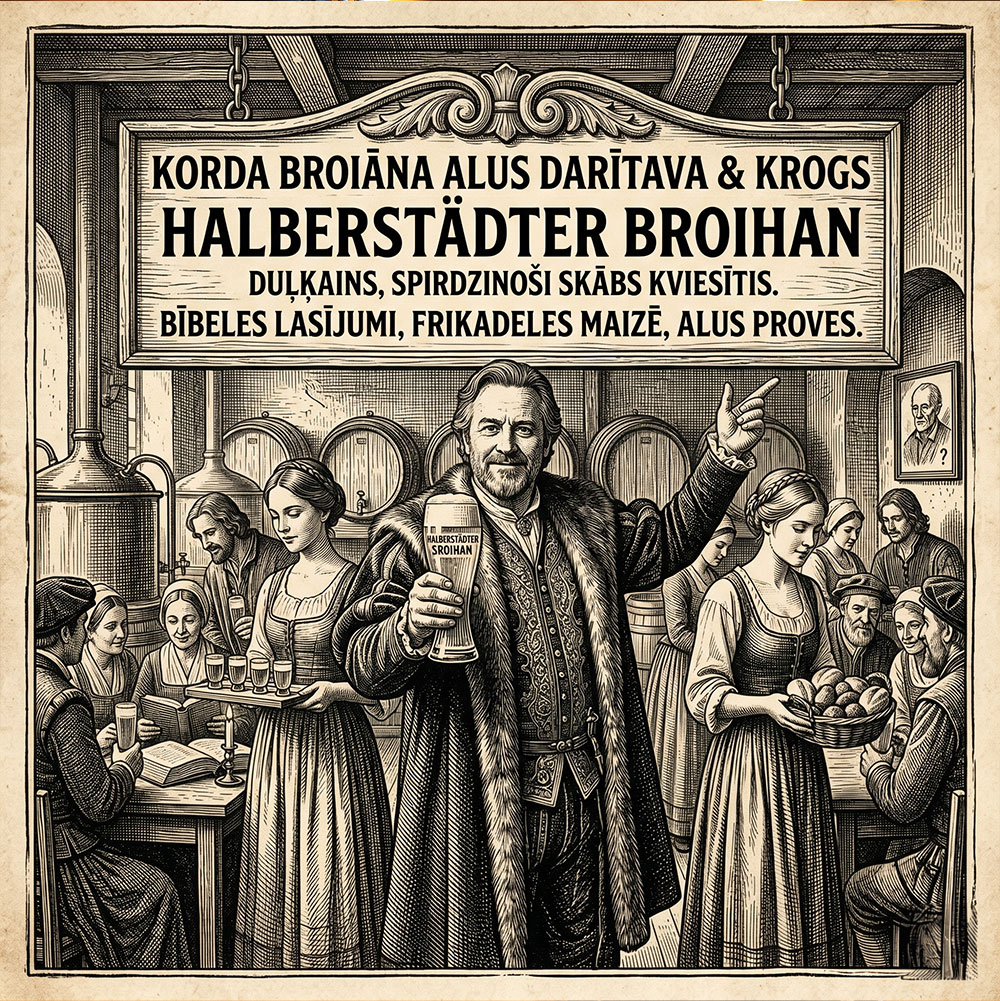
A Berlin Doctor, or The Trickster Out-Tricked
One evening, a guest arrived at the tavern. A young naturalist and doctor, Johann Sigismund Elsholtz, or “Ziggy” to his friends. Cord, a proud man, welcomed the educated visitor and personally hosted him in the brewery. Having brewed with bacteria and bacilli, Cord had begun to consider himself “something of a scientist,” so he felt particularly elated knowing he could toss back a Broyhan with a “colleague.” Ziggy was intrigued by Cord’s brews; the unexpectedly tart flavor clearly indicated lactic acid bacteria, but the brewing methods were unknown to the doctor. Waiting for another empty glass, the young naturalist began questioning Cord about his recipes and brewing techniques, but Cord wasn’t born yesterday.
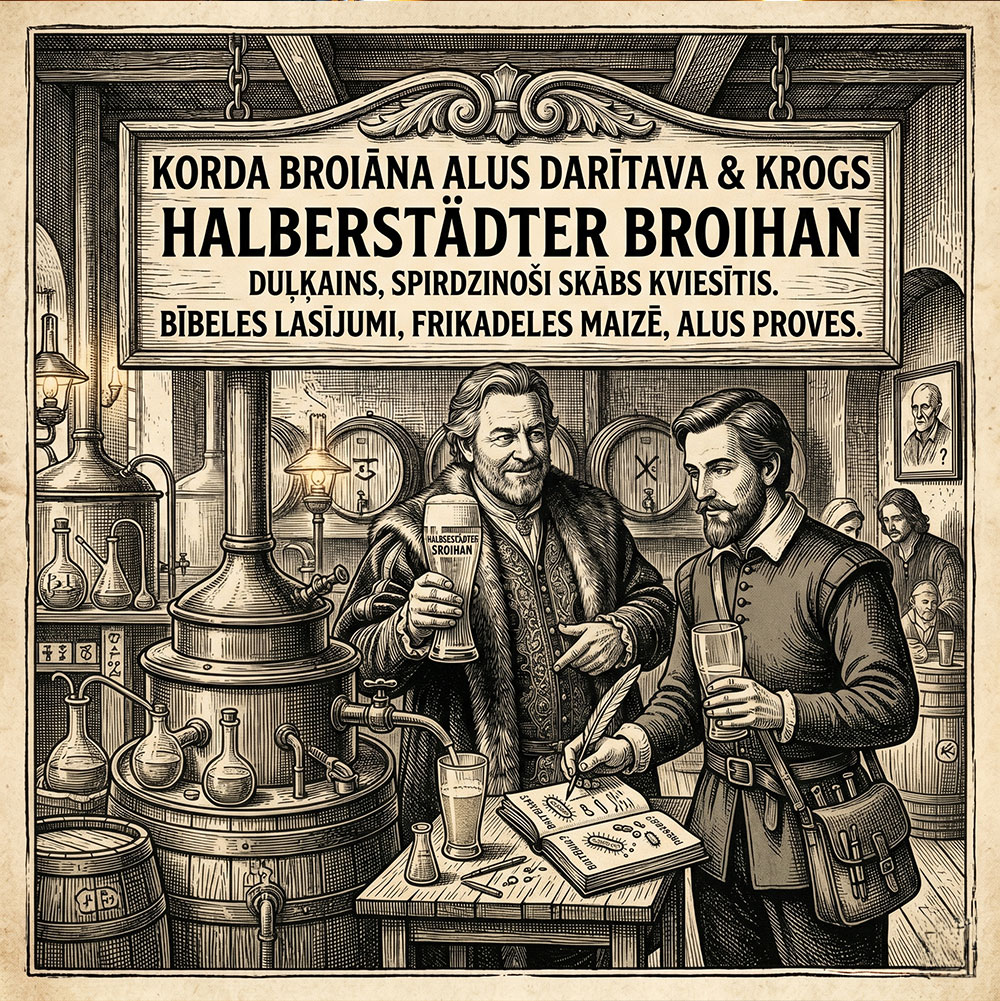
The brewery owner explained that this was a special, centuries-old recipe passed down from master to apprentice. It is not enough to just explain the process; it must be understood and felt with senses that only develop after years of experience. The brewer tried to distract the doctor with meatball sandwiches, but the young specialist didn’t give up.
After another mug, Ziggy changed his strategy. He mentioned the involvement of bacteria and haughtily claimed that there could be no real technique involved with bacteria—it was just a game of chance, and every batch depended on the whims of nature rather than the brewer’s skill. Cord was offended by these words; a bitterness sharper than hops began to consume the brewer—he had to prove his brewing talent to this greenhorn. That fateful night, while drunk, Cord brewed a batch in the presence of Johann Sigismund Elsholtz, revealing the secret of the old Fleming, Semir. The next morning, the doctor was gone. Cord, nursing a hangover, had no idea what would follow.
Berliner Weisse Arrives in Berlin
It is unclear what ultimately happened to Cord; he didn’t create any other beer styles or write a book about travel and food. The baton was passed to J.S. Elsholtz, who shook up the Berlin beer scene in the early 17th century. No rave or gathering was considered successful without Elsholtz’s miracle sour ale. Through extensive studies of hygiene, Elsholtz was able to improve the quality and flavor of the sour beer, bringing the hazy wheat ale closer to the modern Berliner Weisse. Every self-respecting craft brewery began to replicate and experiment with sour beer recipes.
At the peak of its popularity, Berliner Weisse even took over the German royal court. King Frederick William I declared this beer style to be “the best refreshment for our climate” and even sent his son, Frederick II the Great, to learn the intricacies of brewing Berliner Weisse.

With its unusual flavor, Berliner Weisse has also acquired unusual drinking customs. Do not be surprised if, while visiting a Berlin pub, the bartender offers to add a shot of syrup (mit Schuss) to your beer. This is not an attack on your taste; sour beer simply tastes great with fruity and sweet notes to balance the acidity.
That is exactly why modern breweries are beginning to experiment with adding fruit and fruit juices during the fermentation process to naturally replace or complement the use of syrups. Today, Berliner Weisse is experiencing a revival, slowly overtaking hoppy IPAs in popularity. With the arrival (or return) of craft beer to Latvia, many local breweries have also started experimenting with this beer style, so don’t hesitate to ask for a Berliner Weisse at your local beer pub!
At Labietis, you can enjoy Ledene , a modern Berliner Weisse variation with tropical passion fruit, or the Berliner Weisse’s cousin, Gose, in the form of our salty-sour Asara.
More about Berliner Weisse:
@allaboutbeer.com
@americancraftbeer.com
@beerhunter.com
@beerandbrewing.com
@.kegerator.com